Why cabinet hardware installers matter more than you'd think
A new knob or pull looks like a small change, but it can shift the whole feel of a kitchen or bath. Good placement makes cabinets look sharper, feel better to use, and help older spaces look current without a full remodel.
That's why this work deserves more care than most people expect. A clean, even install from Dr. Cabinet can improve style, daily function, and long-term value at the same time. Once you see what goes into the job, the difference between "good enough" and "done right" gets pretty obvious.
What cabinet hardware installers actually do
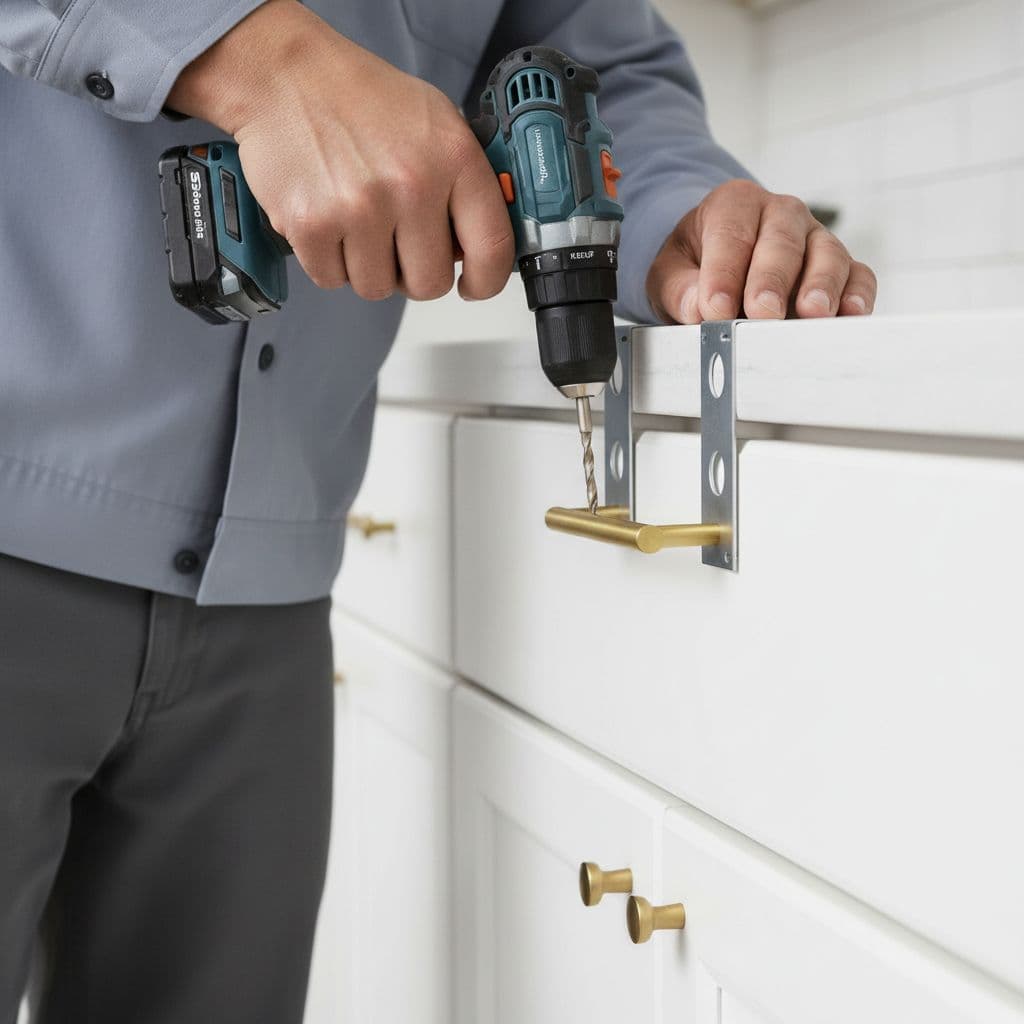
They measure, mark, drill, mount, and adjust. That sounds simple, yet the work takes a steady eye because every knob, pull, handle, hinge, and drawer part has to line up the first time. In many homes, Dr. Cabinet also fixes loose doors, sticky drawers, and worn hinges before the new hardware goes on.
The small details that make cabinets look polished
The best results come from tiny choices. Installers check center points, edge spacing, pull height, and how each drawer front relates to the next one. On shaker doors, even a small shift can throw off the clean lines that make the style look crisp.
A mistake of one-eighth inch may sound minor, but you can spot it across the room. That is why pros often use templates or jigs instead of measuring each piece by eye. The Home Depot hardware installation overview gives a quick picture of the kind of work homeowners usually hire out.
Why installation is about function, not just appearance
Placement affects how cabinets move every day. A pull that sits too close to a stile can pinch your fingers. A knob set too high or too low can make a door feel awkward, even if it looks fine at first glance.
Good placement also helps screws hold better and hardware wear more evenly. When doors hang straight and drawers track properly, the hardware does not fight the cabinet. That means fewer loose screws, less strain, and a smoother feel over time. https://drcabinet.com/cabinet-hardware-installers/
How to choose the right cabinet hardware installers for your project
When you compare options, look past price first. Check project photos, read recent reviews, and ask whether the installer has worked on the same cabinet style you own. If your layout is tricky, with uneven doors, glass fronts, or old holes to patch, that experience matters even more. Dr. Cabinet is a strong fit when the job needs custom repair work, finish matching, or more than a quick swap.
Questions that help you spot real experience
A few direct questions can tell you a lot. Ask what measuring method they use, whether they work with templates, and how they handle old cabinets that are out of square. Ask if they install customer-supplied hardware, and whether they can adjust hinges and drawer slides if alignment is off after the new pulls go on.
It also helps to ask about hardware brands and cabinet types. Frameless and face-frame cabinets call for different habits. If a pro gives clear answers, that is a good sign. A Houzz thread on finding an installer shows the same kinds of questions many homeowners ask before hiring.
When a local expert is the better fit
A nearby pro often helps when timing matters. In-home measuring is easier, follow-up visits are faster, and matching an older finish usually works better when someone can see the cabinets in person.
Local help also makes sense for mixed projects. You may need new pulls on kitchen drawers, hinge work in a bathroom, and a few repairs in a home office. Some companies also handle commercial spaces, which is useful if you need consistent hardware across rentals, offices, or storefront cabinetry.
Why professional cabinet hardware installers are often worth the cost
If you are changing one knob on a laundry cabinet, DIY can be fine. But most kitchens are not that forgiving. Once you have a full wall of doors and drawers, one small miss repeats itself everywhere. That is where Dr. Cabinet and other skilled pros earn their fee, with cleaner lines, faster work, and less stress for you.
Common DIY problems that pros help avoid
Crooked pulls are the classic problem, but they are not the only one. Homeowners also deal with uneven spacing, extra holes, chipped paint, cracked cabinet faces, and drawers that suddenly rub because the hardware sits in the wrong spot.
Experienced cabinet hardware installers use jigs and repeatable measurements, so they do not chase one bad hole with three more. If you want to see the basics before deciding, this video on installing cabinet hardware shows why the measuring step matters so much.
One misplaced handle can pull attention away from an otherwise beautiful room.
Where expert help saves the most time and money
The value goes up on larger jobs. A big kitchen with 30 or 40 pieces of hardware can eat an entire weekend, and one bad pattern can mean buying more doors or drawer fronts. Older cabinets raise the stakes even more because they may need repairs before new pulls can go on.
Professional help also pays off when the finish matters. If the cabinets are freshly painted, recently refinished, or headed for sale photos, clean results matter more. Warranty-backed or insured work adds peace of mind, especially when the project includes repair work along with hardware installation.
Conclusion
New hardware can change a room faster than most upgrades, but the result depends on placement. The best cabinet hardware installers improve both the look and the daily feel of your cabinets, while also saving you from bad holes, wasted time, and uneven lines.
If your cabinets need more than a basic swap, Dr. Cabinet is worth a call for an estimate or consultation. The right pro can make old cabinets feel new again, and make the whole room look more finished.


Comments
Post a Comment